The meaning of Bismillah based on Zamakhshari's Kashshaf
What does Bismillah mean? Some notes based on Zamakhshari’s Al-Kashshaf.
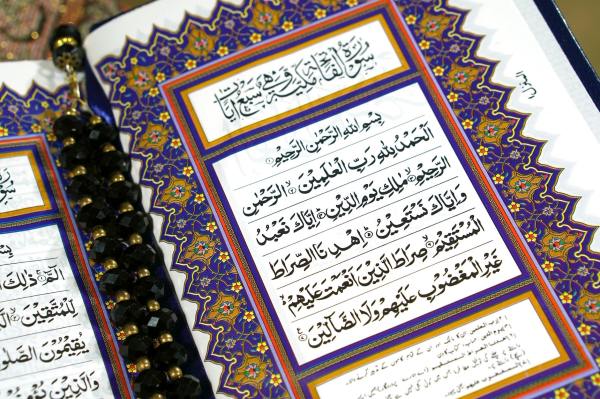
Exploring the meaning and eloquence of the divine message
The meaning of Bismillah based on Zamakhshari's Kashshaf

How the B-Theory of Time Demands an External Explanation for the Universe PART I Introduction Chapter 1: Why This Matters Modern physics has reshaped how we think about time. Einstein's theories of relativity revealed that time is not the absolute, universal flow that common sense suggests. Instead, time is woven together with space into a... Continue Reading →

This is my fourth, and possibly last, conversation with Claude's Opus 4.5 about the B-theory of time. I continue from the previous chat and are now going to explore the attributes of an external explanation for the universe. Rather than me positing any possible attributes, I asked Opus to extrapolate from the rational conclusions of... Continue Reading →

This is my third conversation with Claude's most advanced model - Opus 4.5 - on the B-theory of time and its implications on possible explanations for the universe. This chat builds on the previous two and summarises and lays out the premises. I state very clearly my value-commitments, metaphysical intuitions and unquestioned rational premises. And... Continue Reading →

This is the second part of my conversation with Claude’s currently most advanced AI model, Opus 4.5, on the B-theory of time. In the previous conversation, I was challenging Opus on the compatibility of the B-theory with the idea of an eternal or infinite universe. In this chat, I explore whether the B-theory actually breaks... Continue Reading →

The below is a conversation with Claude’s most advanced AI model currently available - Opus 4.5. The B-theory of time is sometimes brought up to refute the ‘kalam cosmological argument’ because it problematises the claim to a ‘beginning’ of the universe. Insha Allah, I will explore this criticism more thoroughly later but the below chat... Continue Reading →
The proof that the Qur'an is from Allah is within the Qur'an itself - in not just its message, but also in how the message is worded, phrased and structured.

A shaykh cited Surah Yusuf, ayah 55, to justify participation in Western elections, referencing Ibn Taymiyyah and other scholars. However, deeper analysis revealed that significant Islamic juristic opinions emphasize avoiding support for oppressors, raising concerns about the effectiveness and morality of voting as Muslims in such systems.

Ayah 15 of Surah Al Ahqaf enjoins good conduct towards parents, urging gratitude for their sacrifices. Abu Su'ud's tafsir highlights the emphasis placed on this matter inspiring deep reflection on how we treat our parents.
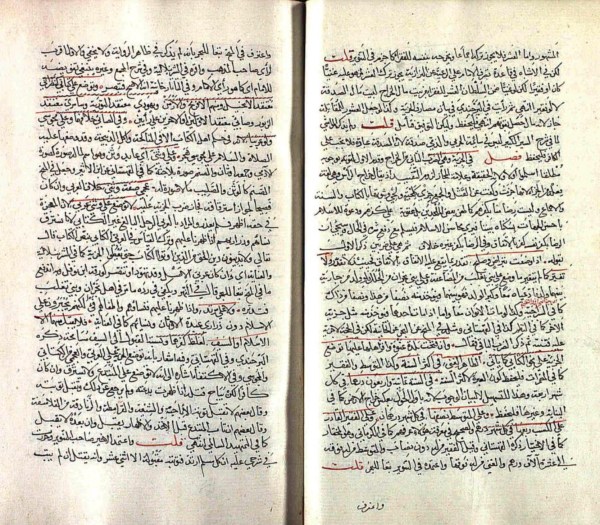
Studying fiqh poses challenges for modern Muslims, who often adapt Islamic law to fit secular perspectives. Traditional fiqh manuals illustrate a time when Muslims confidently practised shari'ah. Imam Haskafi’s insights on jizyah highlight its role as a form of da’wah, showcasing Islamic justice. Understanding these principles is vital for re-evaluating contemporary Islamic thought.

Surah Al Tin discusses how humans are created in the finest state but can decline to the "lowest of the low". Believers, however, continue to be rewarded for their good deeds even as they age and become less capable. This highlights the importance of performing good deeds in youth to reap rewards in old age.
 Qur'anic Reflections